Posted by Broken Arrow Team on Jul 20th 2026
How to Choose the Right Hunting Boots for Every Terrain and Season
Every hunter knows to handle their firearm safely, but how many stop to think about what's on their feet before heading into the field? According to the American College of Foot and Ankle Surgeons, the most common hunting-related injuries include sprained and fractured ankles, ruptured Achilles tendons, and fractured heel bones, most of them caused by tripping on uneven terrain.
The right pair of boots keeps your feet warm and dry, but more than that, they can be the difference between a successful hunt and a long, painful walk back to the truck. If you hunt from a tree stand, push through snow, or cover miles of rough backcountry, here is how to choose the right hunting boots for the terrain and season you actually hunt.
Why the Right Hunting Boots Matter More Than Most Hunters Realize
Boots affect more variables in a hunt than most gear does. Warmth, mobility, scent control, stamina, ankle safety, and how quietly you can move through cover all depend in part on what is on your feet. A rifle that does not fit perfectly can still put venison in the freezer. Boots that do not fit your terrain or the weather will end your day early.
The most common mistake hunters make is buying based on brand recognition alone without considering fit, insulation level, or the specific conditions they will face. A boot that performed well for a friend in the Rockies may be miserable for someone hunting flatwoods in Georgia in October.
How to Choose Hunting Boots Based on Terrain
Terrain is the first filter to apply when selecting a hunting boot. A boot built for one type of ground can work against you on another.
Flat woods and light trails call for a lightweight boot with a flexible sole and quiet materials. Mobility hunters covering ground quickly benefit from a boot that moves with the foot rather than resisting it. Stiff, heavy boots designed for mountain use create unnecessary fatigue on flat terrain and slow down the quiet, deliberate movement that still hunting and spot-and-stalk require on low-gradient ground.
Mountains and rough terrain demand more ankle support, an aggressive outsole tread, and a stiffer sole that provides stability under load. When you are navigating steep inclines, loose rock, or uneven ground with a pack, your boots are actively protecting you from rolled ankles and fatigue-related missteps. A lightweight flat-country boot on steep terrain is a liability.
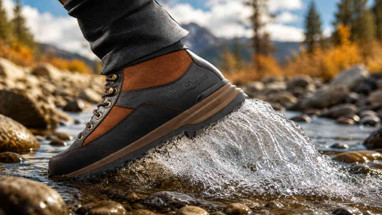
Wet ground, marsh, and rain require waterproof construction, a taller boot height to keep water from entering the top, and outsole traction designed to grip in mud rather than pack with it. If your hunting ground tends to hold water or you regularly cross streams and drainages, a non-waterproof boot will be soaked within an hour and stay that way for the rest of the day.
Long walks and public land access favor lightweight designs with genuine cushioning and breathability. Hunters who cover several miles to reach backcountry areas before setting up are less concerned with maximum insulation and more focused on reducing fatigue over distance. A boot that feels fine for a short walk to a stand can become brutal over five or eight miles of varied terrain.
Browse our full selection of hunting footwear, including men's hunting shoes and boots, to find options suited to your terrain.
How to Choose Hunting Boots for the Season and Weather
Insulation level is the second major variable and one of the most commonly mismatched. Too much insulation in warm weather can cause sweaty, uncomfortable feet that blister more quickly. Too little in cold weather is a miserable and potentially dangerous situation.
Early-season calls for breathable, lightweight boots with built-in moisture management. Temperatures are often warm, especially in the South, and a heavily insulated boot will cause more problems than it solves. Prioritize ventilation and moisture-wicking materials over warmth.
Midseason is where all-purpose versatility matters most. A moderate insulation level, waterproof membrane, and balanced weight give you flexibility across changing conditions without committing too heavily in either direction.
Late-season and cold weather require adequate insulation, heat retention, and enough toe box room for thicker socks without restricting circulation. Cold feet do not just cause discomfort. They reduce focus, shorten your time in the field, and, in severe cold, pose real health risks. A boot rated for the actual temperatures you expect, not just the average, is worth the investment.
Wet winter conditions require both waterproofing and insulation. Each feature alone is insufficient. A warm boot that takes on water quickly loses its thermal value. A waterproof boot without insulation keeps your feet dry and cold. For late-season wet conditions, you need both working together.
Layering your hunting clothing appropriately, alongside your boot choice, helps manage overall warmth and comfort in the field. Browse our hunting clothing and men's hunting jackets to complete your seasonal setup.
Common Hunting Boot Buying Mistakes to Avoid
Understanding what not to do is just as useful as knowing what to look for.
Buying based only on brand popularity is the most common mistake we see. Brand reputation matters, but a premium brand boot in the wrong category for your terrain or season is still the wrong boot. Focus on specifications first, brand second.
Ignoring sock thickness when sizing is a reliable way to end up with a boot that either fits too tightly with your preferred hunting socks or fits too loosely without them. Always size with the socks you plan to wear.
Choosing the wrong insulation level based on a worst-case scenario rather than your actual hunting conditions leads to overheated feet in moderate weather and unnecessarily heavy boots. Be honest about where and when you hunt most often.
Skipping the break-in period is a mistake that has ended more hunts than bad weather. New boots require time to conform to your foot. Wearing them on opening day is a reliable path to blisters and raw spots by midmorning.
Prioritizing looks over function is self-explanatory but worth stating. A boot that photographs well but lacks the traction, support, or waterproofing your terrain demands is a liability in the field.
Using one boot for every condition is convenient but rarely effective. If your budget allows, having a lightweight early-season option and a heavier late-season boot delivers better performance throughout the year than trying to find a single compromise boot that handles everything adequately.
What Features Matter Most in Hunting Boots?
Knowing which features to prioritize helps cut through marketing language and focus on what actually matters for your situation.
A waterproof membrane keeps feet dry in wet conditions, but also affects breathability. In warm weather, a waterproof boot can trap heat and moisture unless the membrane is paired with ventilation features. Know whether waterproofing is a priority for your conditions before making it a requirement.
The insulation rating should match your coldest expected hunting temperature, with a reasonable margin. Ratings are measured in grams and provide a reference point, though fit, activity level, and sock choice all affect actual warmth in practice.
Boot weight directly affects how tired your feet and legs are at the end of a long day. Every ounce matters when multiplied across thousands of steps. Lightweight boots require less energy per stride and reduce overall fatigue on high-mileage hunts.
Sole traction determines how confidently you can move on wet leaves, loose rock, mud, or steep grades. Look for an outsole pattern designed for the type of ground you actually hunt rather than a generic all-terrain tread.
Ankle support is a function of boot height and construction stiffness. Higher boots with firmer construction provide more lateral support on uneven ground. Lower and more flexible boots allow faster movement but offer less protection against rolls on technical terrain.
Fit and toe box space matter more than most hunters realize. Your foot swells during long days of walking. A boot that fits perfectly in the store may feel tight by midafternoon if there is no room for natural expansion. A proper fit with your hunting socks on, including room for your toes to wiggle, is the standard to aim for.
Best Hunting Boot Setup by Hunter Type
Mobile public-land hunter: Prioritize lightweight construction, reliable traction, and sufficient cushioning for comfort over long distances. You are covering ground to find animals, and your boots need to support that without adding fatigue. Waterproofing is useful but secondary to weight and comfort when hunting in dry conditions.
Tree stand hunter: Warmth and insulation are your primary concerns. You are sitting still for extended periods, often before and after legal shooting light, when temperatures are coldest. Your feet are not generating heat through movement, so the boot needs to do the work. Heavy insulation, comfort for extended sits, and a quiet exterior for the final approach to the stand are the key features.
Western and long-distance hunter: Support, durability, and all-day comfort over miles of varied terrain are the priorities. Ankle protection on technical ground, a sole that grips on loose rock and steep grades, and construction that holds up through a full week of hard use are what matter here. These boots tend to be heavier by design and benefit from the most deliberate break-in period.
Cold-weather hunter: Maximum warmth combined with moisture management is the key combination to look for. Pair with wool- or synthetic-based socks rather than cotton for best thermal performance, as socks are the variable most hunters underestimate when cold feet become a problem.
What Our Customers Are Looking For
Hunters who shop with us for footwear consistently tell us the same things. They want a boot that is comfortable from the first long day out, warm enough for cold-morning sits without feeling heavy in moderate weather, and dry, regardless of what the ground looks like at first light. Reduced fatigue on long walks and confidence on rough terrain come up again and again as the factors that turn a first-time boot purchase into a repeat buy. When a hunter finds a boot that checks those boxes for their specific terrain and season, they come back for it.
Where to Find the Right Hunting Boots for Your Next Season
At Broken Arrow Outfitters, our staff hunts the same terrain our customers do. When you come in looking for boots, you are talking to people who have made the same decisions you are making now and know firsthand what Middle Georgia conditions demand. We offer options for every terrain type and season, and we can help you narrow down your choice based on where and how you hunt.
Visit us in Perry or browse our hunting and outdoor footwear, including men's hunting boots and shoes, online today.
Whether you hunt public land, sit all day in cold weather, or cover miles before daylight, the right boots make every trip better. Explore dependable options built for your terrain and season at Broken Arrow Outfitters.